
Attachment Based Couples Therapy Explained
You may be having the same argument again, even though the subject keeps changing. Today it's the dishes. Tomorrow it's money, messages, bedtime, or who carried more of the household responsibility. One of you raises the pressure because you feel alone in the relationship, while the other goes quiet because the conversation feels impossible to survive. By the end, both of you feel misunderstood, and neither problem is resolved.
Attachment based couples therapy offers a different way to understand this pattern. Instead of treating the argument as the main problem, it looks at the emotional bond underneath it. The work asks a more vulnerable question: “When I reach for you, can I trust that you'll be there?”
Breaking The Cycle Of Recurring Arguments
Maya wanted her partner, Daniel, to help more around the house. She reminded him about the laundry, pointed out unfinished tasks, and asked why she had to keep managing everything. Daniel heard criticism. He defended himself, listed the things he had done, and eventually left the room.
Maya followed him, asking him to stay and talk. Daniel withdrew further. The more distant he became, the more urgently she pursued him. The more urgently she pursued, the more trapped and inadequate he felt. Their argument appeared to be about chores, but the emotional message underneath was closer to this:
“Do I matter enough for you to notice what I carry?”
Daniel's hidden message sounded different:
“Will I ever be good enough for you, or will every effort end in failure?”
Protest and withdrawal
Attachment based work often describes criticism, repeated demands, accusations, and urgent attempts to reconnect as protest behaviors. These behaviors can look aggressive or controlling from the outside, but they may be an attempt to signal pain when a person feels emotionally abandoned.
Withdrawal has its own emotional meaning. A partner may stop talking, avoid eye contact, focus on a device, or leave the room to escape overwhelm, shame, or the fear of making things worse. That distance can feel like rejection to the pursuing partner, which intensifies the protest. The cycle then becomes self-reinforcing.
The useful shift is from “Which one of us is the problem?” to “What happens between us when we both feel unsafe?” This shared-cycle perspective reduces blame without dismissing the impact of either person's behavior. A practical overview of this kind of reframing appears in this conflict resolution framework for recurring relationship patterns.

The cycle becomes the common problem
A therapist helps the couple slow the argument down and identify its sequence. Perhaps one partner feels ignored, protests through criticism, and then feels more abandoned when the other withdraws. The withdrawing partner may feel attacked, shut down to protect against shame, and then feel even more disconnected when the pursuit continues.
This doesn't mean hurtful words or neglect don't matter. It means the therapist examines the protective function of the pattern while helping both partners take responsibility for changing it. Over time, couples can learn to recognize the first signs of the cycle and respond to the underlying need rather than automatically repeating the old dance.
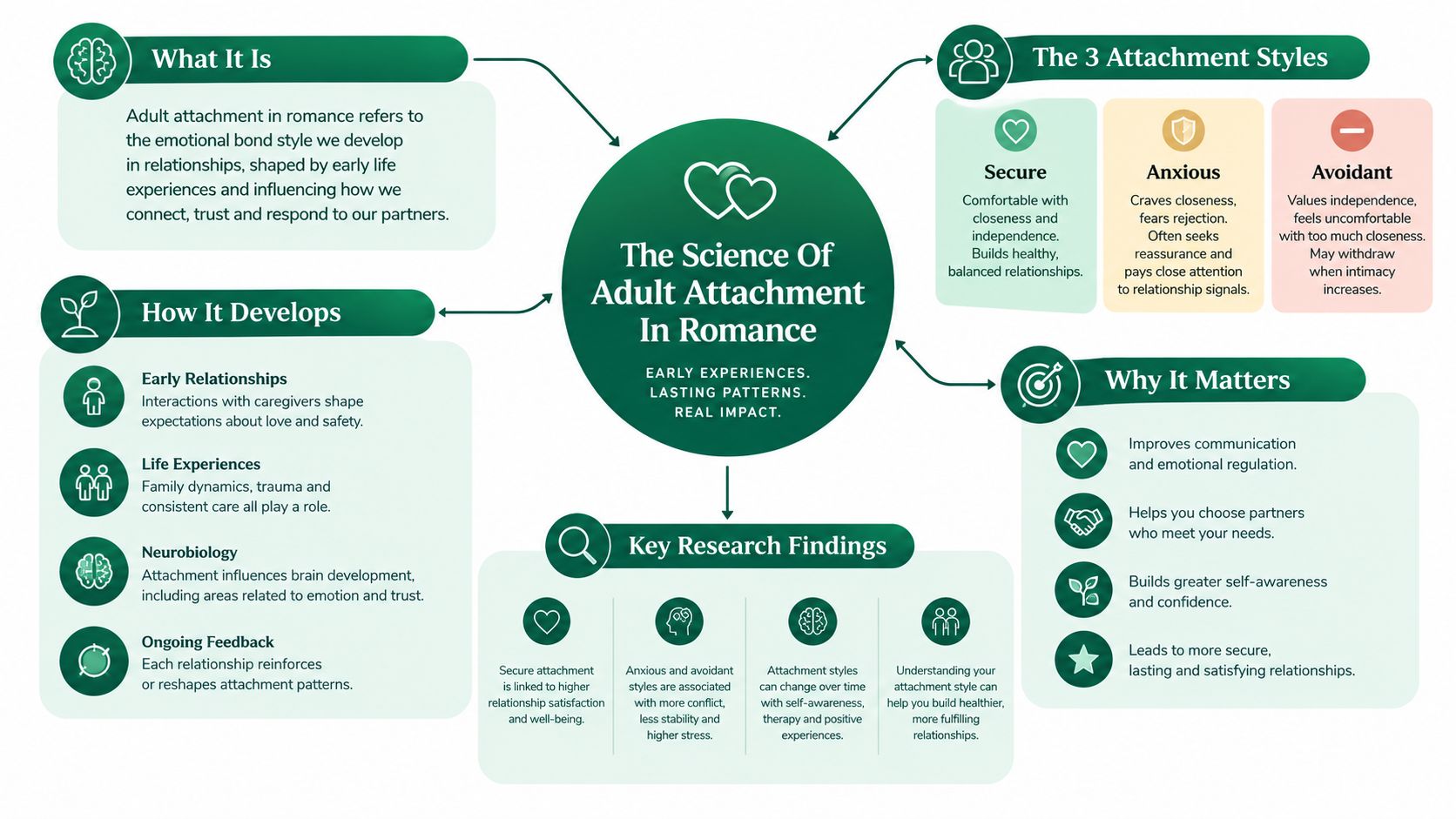
The Science Of Adult Attachment In Romance
Attachment theory begins with a simple human need. People look for reliable connection, especially when they're frightened, hurt, sick, stressed, or uncertain. John Bowlby's attachment theory described close bonds as a source of protection and emotional regulation, and modern attachment-based couples work applies that understanding to adult romantic relationships.
Your partner can serve as a safe haven, the person you turn toward when life feels painful or overwhelming. Your partner can also serve as a secure base, the emotional foundation that makes it easier to explore the world, pursue goals, and return to the relationship for reassurance. The attachment-based description of EFT's safe haven and secure base functions explains how these ideas guide practical interventions.
Recognizing protective strategies
Attachment patterns aren't moral categories. They're strategies people develop to manage uncertainty about closeness.
Anxious pursuit may appear when someone fears abandonment or doubts their importance. They might ask for reassurance repeatedly, criticize, send frequent messages, or insist on resolving the issue immediately.
Avoidant distancing may appear when someone expects emotional demands to become criticism, conflict, or disappointment. They might minimize their needs, concentrate on practical tasks, go silent, or leave the conversation.
Push and pull can happen when both partners want closeness but have learned different ways to protect themselves from rejection.
Neither strategy reveals the whole person. A warm, devoted partner can become demanding when connection feels threatened. A loving partner can become distant when emotional intensity feels overwhelming. The behavior is real, but it isn't the same as the person's intention or character.
Why communication skills may not be enough
Communication tools can help couples clarify requests, take turns speaking, or negotiate a practical solution. Those skills often fail under emotional threat, however, because a partner may not be arguing about information. They may be asking, “Are you emotionally available to me?”
A couple can learn to use calm language while still feeling lonely. They can divide chores fairly and continue to fear that their needs don't matter. Attachment based couples therapy therefore works beneath the words, helping partners identify the emotional meaning of their interaction and build new experiences of accessibility, responsiveness, and engagement.
If you recognize a partner who shuts down during closeness or conflict, this guide to avoidant attachment in relationships can provide useful language without turning an attachment pattern into a fixed label.
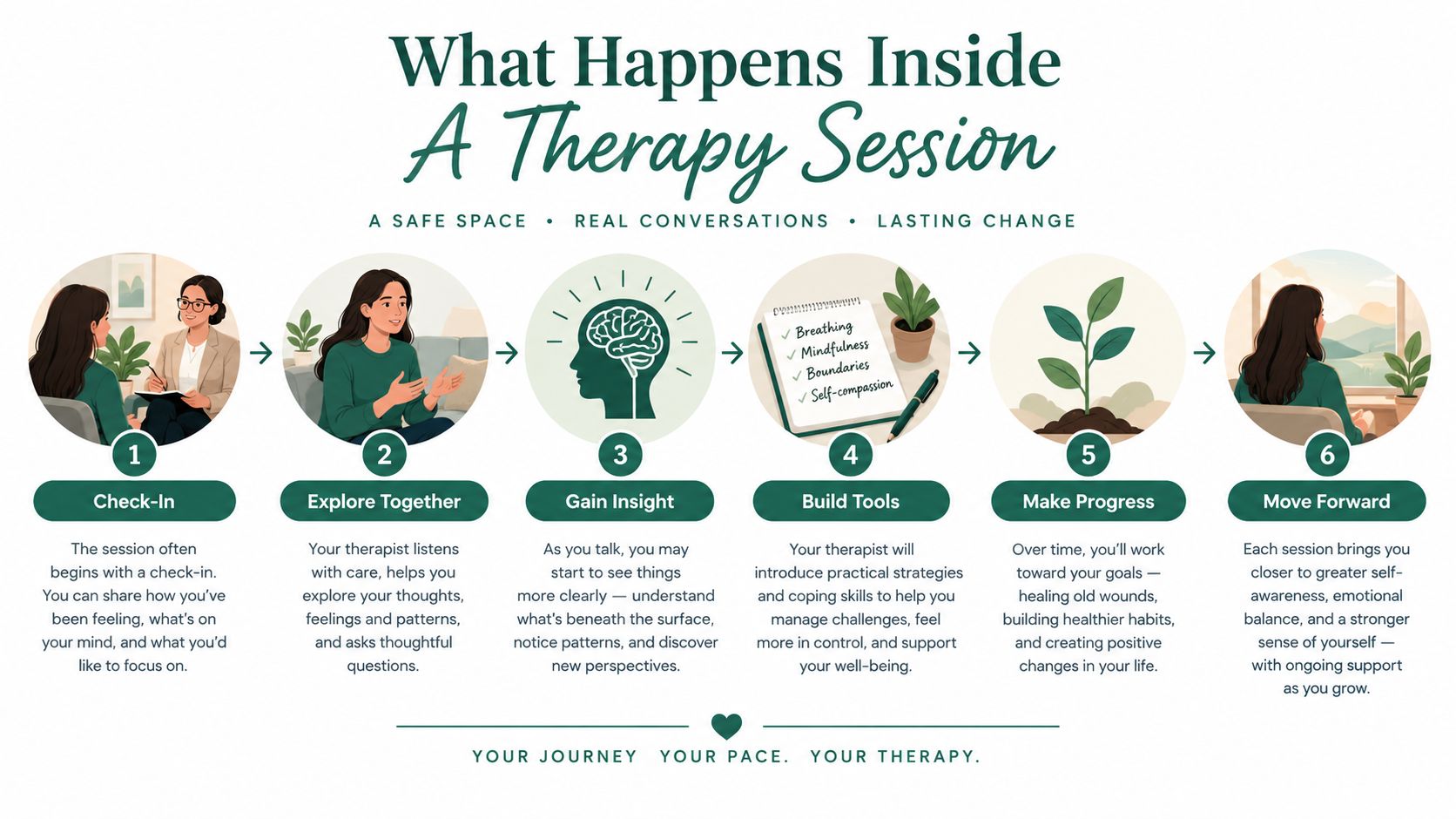
What Happens Inside A Therapy Session
An argument begins over dishes, messages, or bedtime, then quickly becomes a familiar emotional emergency. One partner pursues an answer, the other goes quiet, and both leave the exchange feeling more alone. An attachment focused session slows that sequence down so the couple can observe the nervous system's alarm response and practice safety in the relationship, rather than only deciding who was right.
The best-known attachment-based couples model, emotionally focused couple therapy, was formulated and tested by Sue Johnson and Les Greenberg in 1985, with its first manual published in 1988. Its nine-step, three-stage structure moves from reducing the negative cycle to creating new bonding experiences and consolidating change, as described in the overview of emotionally focused therapy's development and model.
De-escalating the cycle
Early sessions map the couple's repetitive interaction. The therapist may ask:
What happened just before the argument intensified?
What did you feel in your body when your partner became quiet?
What did you tell yourself your partner's reaction meant?
What did you do next to protect yourself?
The therapist distinguishes secondary emotions, such as anger or irritation, from more vulnerable primary emotions, including fear, loneliness, shame, or longing. A criticism can become, “I'm scared I'm not important to you.” A shutdown can become, “I feel like I'm failing you, and I don't know how to stay present.”
The goal is understanding that supports responsibility. Seeing the protective purpose of a reaction does not excuse hurtful behavior. It shows the couple where a different response can begin.
Restructuring the emotional bond
After the cycle becomes clearer, the therapist helps partners take manageable emotional risks in the room. One person may practice expressing a need without criticism. The other may practice remaining present and responding with care instead of defending or withdrawing.
These guided exchanges are called enactments or bonding events. Each partner speaks directly to the other, while the therapist helps shape the conversation. One person might say, “When you pull away, I panic and feel alone. I need to know I still matter to you.” The other learns to hear the fear beneath the demand and respond to the attachment need.
Consolidating new patterns
Later sessions connect these in-room experiences with daily life. Partners identify early warning signs, turn toward each other during stress, and create repair plans for moments of rupture. They can also apply their emotional understanding to parenting, finances, intimacy, and household responsibilities.
A clear explanation of the broader marriage counseling process may reduce uncertainty before treatment begins. Therapy does not require perfect performance. It asks for enough willingness to slow the cycle, stay curious, and try a safer response when familiar alarm signals appear. Over time, repeated experiences of responsiveness can help the relationship feel safer at a nervous-system level.
Supporting Neurodivergent Relationship Dynamics
Neurodivergent couples often arrive in therapy after being told, directly or indirectly, that one partner needs to communicate in a more typical way. That advice can miss the underlying issue. A person with ADHD may care a great deal but struggle with working memory, time awareness, task initiation, or attention during a stressful conversation. An autistic partner may love intensely while processing facial expressions, tone, sensory input, or rapid emotional shifts differently.
Attachment based couples therapy creates room to ask what each partner is experiencing rather than assuming that one communication style proves love and another proves indifference. The therapist listens to the emotional meaning beneath the words while also respecting differences in processing speed, sensory needs, and expression.
Moving beyond neurotypical scripts
A traditional communication exercise might ask a couple to maintain eye contact, respond immediately, or explain feelings in a prescribed sequence. Those requirements can increase distress for a neurodivergent partner and may produce masking rather than genuine connection.
An attachment-focused therapist can adapt the pace and setting. The couple might use written reflections before a session, pause for sensory regulation, reduce verbal intensity, or agree that a short break includes a clear time to reconnect. The central question remains relational: “Can we make this conversation safe enough for both people to stay emotionally present?”
For ADHD-related challenges: Partners can distinguish missed tasks or forgotten details from the painful meaning assigned to them. A forgotten appointment may trigger “I can't rely on you,” while the other partner experiences “I'm always failing.”
For autistic processing differences: Partners can clarify direct meanings, reduce ambiguous demands, and recognize that a need for recovery time isn't automatically rejection.
For high sensitivity or rapid overwhelm: The couple can identify early signs of flooding and create a plan for pausing without turning the pause into abandonment.

Security makes authenticity safer
When partners trust that differences won't automatically lead to criticism or withdrawal, they may need less energy for masking. They can explain what helps them regulate, ask for reminders without shame, or request quiet without sending the message that the relationship is ending.
Couples looking for language and community around neurodivergent relationships may also find this resource on autism and dating useful, particularly when they want relationship guidance that recognizes different ways of connecting. For local support, this overview of neurodivergent couples therapy offers another way to think about individualized care.
Clinical Evidence And Long Term Outcomes
Attachment based couples therapy has a meaningful research foundation, while the evidence does not show that one model is always superior to every other approach. Multiple randomized controlled trials and follow-ups found no significant difference in effect size between emotionally focused couple therapy and cognitive-behavioral couple therapy when reducing relationship distress. The difference lies in the route to change. EFCT works with accessibility, responsiveness, and the attachment bond, helping partners create emotional safety at a nervous-system level rather than focusing only on communication techniques. This distinction is described in this review of EFCT and cognitive-behavioral couple therapy.
What the outcome data shows
A summary of EFCT research reports that roughly 50% to 70% of distressed couples recover to non-distressed functioning, while 60% to 90% show meaningful gains in relationship satisfaction. Improvements were often maintained at 6- to 12-month follow-up, and some studies reported gains lasting 1 to 2 years. These figures come from this review of emotionally focused therapy outcomes.
Research also clarifies why attachment deserves attention in treatment. In a representative community sample of 1,014 couples, attachment avoidance and anxiety explained 46.2% of the variance in relationship satisfaction and 17.9% of instability, according to this population and clinical review of attachment in couples. Attachment is one influence among several, alongside communication, behavior, context, and individual wellbeing. For neurodivergent couples, this perspective can help separate a threat response from a processing difference, reducing shame while keeping both partners accountable for repair.
Looking for meaningful change
In an EFCT randomized study involving 68 couples, relationship-specific attachment avoidance decreased significantly. Couples who completed the key change event called blamer softening also showed significant decreases in attachment anxiety. Within sessions, reductions in attachment anxiety and avoidance were associated with increased relationship satisfaction.
A broader review of 20 studies found that attachment-focused approaches outperformed 83% to 89% of untreated couples, with gains maintained at two-year follow-up. The meaningful outcome is not only fewer arguments. Partners become more willing to reach, respond, repair, and stay emotionally engaged when stress activates old protective patterns. Over time, repeated experiences of safe contact can help the nervous system expect connection instead of preparing for rejection or withdrawal.
Choosing The Right Therapist In St Petersburg
Attachment work asks couples to reveal fears they may have hidden for years. The therapist's training, pacing, and ability to protect both partners from shame therefore matter as much as the treatment label.
Start with a practical screening conversation. Ask whether the therapist has specialized training in an attachment model such as emotionally focused therapy, how they work with pursue and withdraw patterns, and how they adapt treatment for trauma, ADHD, autism, cultural differences, and varied relationship structures.
Questions worth asking
Model: How do you understand our recurring cycle, and how will we know whether therapy is helping?
Safety: How do you handle emotional flooding, intimidation, active betrayal, or a partner who feels unable to speak freely?
Adaptation: Can you adjust pacing, communication methods, sensory conditions, or between-session practices?
Scope: How do you coordinate couples work with individual therapy, psychiatric care, or other support when needed?
Fit: What happens if one partner is more ready for therapy than the other?
A trauma-informed therapist won't force vulnerability before the couple has enough stability to use it safely. They should also avoid turning attachment language into a diagnosis. “Anxious” and “avoidant” describe patterns in a relationship, not permanent identities.
A local option
In St. Petersburg and the Tampa Bay area, a modern counseling practice may combine couples work with trauma-informed, mind-body-spirit care, practical self-care tools, and attention to the whole person. Be sure the provider can explain how attachment-based interventions fit within its broader approach rather than assuming that every couple needs the same protocol.
You can use this guide to couples counseling near you when comparing providers, preparing questions, and deciding whether the therapist's approach matches your goals. A free initial consultation can help you discuss the relationship cycle, neurodivergent needs, trust injuries, and the kind of support you're seeking before committing to ongoing sessions.
Common Questions About Attachment Therapy
What if my partner refuses to go?
You can begin by describing your own experience instead of presenting therapy as a verdict on your partner. “I don't want us to keep repeating this pattern, and I want help understanding my part in it” usually creates less defensiveness than “You need therapy.”
Individual attachment-informed work can also help you respond differently to the cycle. One partner changing their side of the pattern may not solve everything, but it can create a new relational signal and clarify whether the other person becomes more open over time.
How many sessions will we need?
There isn't one honest answer. The pace depends on the severity and duration of distress, the couple's willingness to engage, safety concerns, trauma history, and whether the relationship is recovering from betrayal or another major rupture. A therapist should explain the goals of treatment, review progress, and adjust the plan rather than promise a fixed timeline.
Can therapy help after an affair?
It can provide a framework for addressing the attachment injury, grief, fear, and loss of trust involved in betrayal. Repair requires honesty, accountability, an end to ongoing deception, and a shared willingness to understand the injury. If betrayal is continuing or one partner is being coerced, the therapist must address safety and readiness before attempting emotionally intense bonding work.
What support helps between sessions?
Small, concrete practices often work better than dramatic promises. Partners might agree on a brief check-in, name the first sign of their cycle, or use a clear pause-and-return plan when either person becomes overwhelmed. For individuals managing ADHD-related organization or self-care challenges, Luno support for ADHD may offer additional practical context alongside professional relationship therapy.
Seeking attachment based couples therapy isn't an admission that your relationship has failed. It's a decision to understand the protective pattern, care for the emotional bond, and build a safer way to reach for each other.
Be Your Best Self & Thrive Counseling, PLLC offers individual and couples counseling in St. Petersburg, including emotionally focused, attachment-informed support for recurring conflict, relationship distress, trauma, and neurodivergent relationship dynamics. Visit Be Your Best Self & Thrive Counseling, PLLC to request a free initial consultation and discuss your relationship goals with a compassionate therapist.