
Dealing with Frustrations: 10 Practical Ways
Your day was already full. Then the email lands, the child melts down, the traffic stalls, or your partner answers in that tone. A small setback turns physical fast. Your jaw tightens, your chest feels hot, your thoughts speed up, and suddenly the problem is no longer just the problem. It's your whole system reacting.
That's why dealing with frustrations works better when you match the tool to the moment. If your body is activated, regulate first. If your mind is looping, slow the thought pattern. If the frustration points to an unmet need, say it clearly. If the situation is solvable, take one practical step. If it keeps repeating or starts affecting your relationships, work, or health, it may need deeper support.
Frustration rarely shows up alone. A 2024 Gallup review of emotional health worldwide found that 39% of adults worldwide reported worrying for much of the previous day, and 37% reported feeling a lot of stress the day before the survey. Frustration often rides on top of that larger load.
The ideas below give you a decision path, not just a pile of calming tips. Some help in the first five minutes. Others help with patterns that keep coming back. If your life feels generally overloaded, it may also help to organize life without overwhelm. Self-help tools can help a lot, but they don't replace professional care when distress is severe, persistent, or disruptive.
1. Deep Breathing And Progressive Muscle Relaxation
When frustration hits your body first, start there. You can't think clearly while your shoulders are up by your ears and your breathing is shallow.

Figure 1. Slow breathing at a desk can help lower tension before a stressful conversation or meeting.
A simple pattern helps interrupt the spiral. Try breathing in for 4 counts, holding for 7, and breathing out for 8. Then add muscle release. Clench your hands for a few seconds, let go, tighten your shoulders, let go, press your feet into the floor, then release. The point isn't perfection. The point is sending your body the message that the immediate threat has passed.
A business owner might do this before a difficult meeting. A nurse might use it between demanding tasks. Someone in a heated conversation might step into another room, breathe, release tension through the body, and return less reactive.
How To Make It Easier
Practice when calm: Rehearsing when you're okay makes it easier to remember when you're not.
Pair it with grounding: Feel your feet on the floor or the chair under your body while you breathe.
Use reminders: A phone alarm or sticky note can help make this a habit.
Practical rule: If your body is flooded, don't force yourself to solve the whole problem yet.
If you want more body-based calming tools, this guide on how to regulate your nervous system fits well with this first step.
2. Time-Out, Environmental Change, Humor And Play
Some frustrations don't need immediate analysis. They need space.
A time-out isn't avoidance when you plan to come back. It's a way to stop adding fuel. If you and your partner are getting sharp with each other, saying, “I need 20 minutes to calm down. I'll come back,” can protect the conversation. If you're stuck at work, a short walk outside, a glass of water, or a quieter room can shift your state enough to think again.
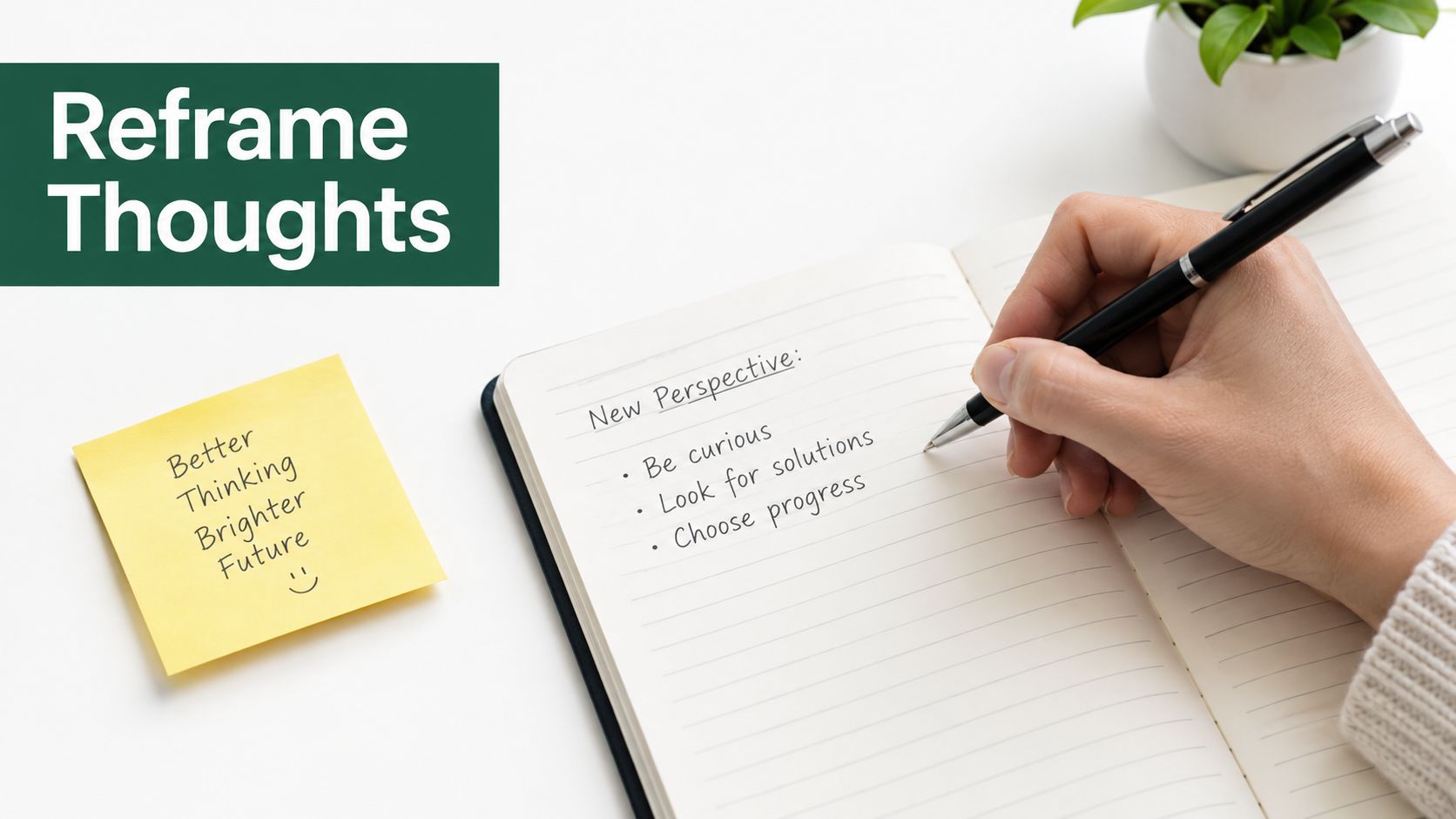
Figure 2. Changing your environment, even briefly, can help create mental distance from a frustrating situation.
Humor can help too, if it isn't cruel. There's a big difference between laughing at the absurdity of a moment and using sarcasm to hide anger. “Of course the printer breaks right before the deadline” may release tension. Mocking yourself or another person usually won't.
What A Good Break Looks Like
Leave the stress loop: Step outside, change rooms, or lower noise and visual clutter.
Use the break actively: Breathe, stretch, walk, pet the dog, or play one song. Don't spend the whole break doom-scrolling.
Return on purpose: If the frustration involves another person, come back at the time you named.
This is really frustrating, and I don't have to stay in the exact same spot while it escalates.
Play matters here too. Dancing in your kitchen, tossing a ball with your child, or doing something lightly silly can soften intensity without denying the problem.
3. Physical Movement And Exercise
Frustration often creates a body that's ready to act. Movement gives that energy somewhere to go.
You don't need a perfect workout plan. A fast walk, a few minutes of stretching, yoga in the morning, dancing to one song, or lifting weights after work can all help. If you've ever noticed that you think more clearly after moving, that's useful information. Many people don't need more analysis in the moment. They need motion.
A healthcare professional carrying stress home might walk before entering the house. A couple who's tense with each other might take a walk side by side before talking. An entrepreneur with a racing mind might start the day with yoga instead of opening email in bed.
Keep It Practical
Choose movement you'll do: Enjoyment matters more than forcing yourself through a routine you dread.
Use movement early: Don't wait until you're completely overloaded.
Count nontraditional movement: Shaking out your arms, pacing, stretching, or stimming can still help regulate frustration.
One caution. Don't turn exercise into punishment for having feelings. The goal is release and regulation, not proving toughness.
4. Mindfulness And Present-Moment Awareness
Frustration gets louder when your mind argues with the fact that it's happening. Mindfulness helps by teaching you to notice what's here without piling on extra struggle.
That can sound abstract, but it's simple in practice. Pause and name what's happening. “My chest is tight. My thoughts are fast. I'm telling myself this is unbearable.” Naming brings you into the present moment and gives you a little space from the reaction.
A person in conflict might notice the urge to interrupt and choose to listen instead. Someone overwhelmed at work might realize they're checking email compulsively because they feel anxious, not because the inbox is urgent. Body scans, walking meditations, and guided meditations can all help.
Try A Simple Mindfulness Script
Notice sensations: Where do you feel frustration in your body?
Name the emotion: “I'm feeling frustrated and overstimulated.”
Stay curious: Ask what's happening, not what's wrong with you.
The scale of emotional strain is one reason this skill matters. A report discussing Gallup's 2024 surveys across 144 countries and territories noted that 39% of adults worried a lot the previous day, 37% felt stressed, 26% felt sadness, and 22% experienced anger in that time frame, showing how widespread frustration-adjacent distress is in daily life (reported here).
If you want a structured approach, mindfulness-based stress reduction is a useful place to start. Some people also pair mindfulness with sleep support, and a review of a sleep stories app worth it can help if bedtime frustration is part of the pattern.
5. Cognitive Reframing And Thought Challenging
Sometimes the event is frustrating. Sometimes the thought about the event is what turns it into a crisis.
Cognitive reframing means catching the automatic story and testing it. “I failed” can become “This didn't go the way I hoped, and I can learn from it.” “My partner never listens” can become “My partner seemed distracted in this moment, and I need to ask for full attention.” That doesn't minimize the issue. It makes the thought more accurate and less explosive.

Figure 3. Frustration often softens when people slow down and replace global accusations with more specific language.
One way to do this is the ABC approach. Write the activating event, the belief you had about it, and the consequence that followed. Then write one more balanced thought. If the original thought is harsh, global, or absolute, it probably needs editing.
Questions That Help
Is this thought fully true: Or is it an overwhelmed conclusion?
What's another explanation: Not a sugar-coated one, just a fuller one.
What would I say to a friend: People are often kinder and more realistic with others than with themselves.
If harsh inner dialogue keeps intensifying your frustration, these examples of negative self-talk can help you spot common patterns. The same skill can support other stuck areas too, including physical training setbacks. This article on why am i not getting stronger is a good example of how reframing changes your next step.
6. Problem-Solving And Action Planning
Not every frustration needs soothing. Some need a plan.
This works best when the problem is concrete. A chaotic schedule, unclear process, too many tasks, unresolved money tension, and recurring household arguments often improve when someone defines the problem clearly and takes one step. “Everything is a mess” is too vague. “I'm answering work messages late at night and waking up resentful” is usable.
At work, role confusion is a common driver. Recent coverage on workplace stress argued that confusion about what people're supposed to do can create more stress than people expect, and it recommended getting expectations in writing, checking whether tasks match role scope, and clarifying who has decision rights (discussed in this workplace stress coverage).
Turn Frustration Into A Plan
Define one problem clearly: What exactly is happening?
Brainstorm options before judging them: List several possibilities, even imperfect ones.
Choose one next action: A small clear action reduces helplessness.
For example, an employee frustrated by duplicate requests from two supervisors could ask for a written priority list. A couple stressed about money could schedule one weekly check-in instead of arguing in passing. A business owner drowning in admin tasks might delegate one recurring task first, not ten.
A good plan is specific enough that you can do the next step today.
7. Assertive Communication And Boundary Setting
Frustration becomes resentment when you keep swallowing what needs to be said.
Assertive communication is clear, direct, and respectful. It doesn't mean being cold or confrontational. It means telling the truth about impact, limits, and needs before the pressure builds. If a friend repeatedly unloads on you late at night, a boundary might sound like, “I care about you, and I can't do heavy conversations by text after 9 PM.” If a coworker keeps adding tasks without discussion, it might sound like, “I can take this on, but something else will need to move.”
Many work frustrations are tied to larger stress loads. The American Psychological Association reported in 2022 that more than a quarter of U.S. adults said they were so stressed they could not function, and 37% said that when they are stressed, they can't bring themselves to do anything. The same survey found stress-related forgetfulness, concentration problems, and decision difficulty in the prior month. In that state, unspoken expectations and weak boundaries become even harder to manage.
A Simple Formula
Name the behavior: “When meetings run past the agreed time...”
Name the impact: “...I lose focus for the rest of the afternoon.”
Make the request: “I need us to end on time or agree in advance if we're extending.”
If this is hard for you, that doesn't mean you're bad at communication. It usually means the stakes feel real. Learning how to set healthy boundaries can make this skill feel more doable.
8. Creative Expression And Journaling
Some frustrations need words before they can become choices.
Journaling gives your mind a place to put the swirl. Instead of replaying the same conversation internally, you write what happened, what you felt, what you wanted, and what you need now. That shift from mental noise to visible language often brings relief. Art, music, voice notes, and unsent letters can do the same thing if writing isn't your style.
A therapist might journal after a heavy week. A couple might each write down their frustrations before talking. An entrepreneur might do a morning brain dump to clear decision fatigue before work begins.
Here's a visual summary of a healthy process.
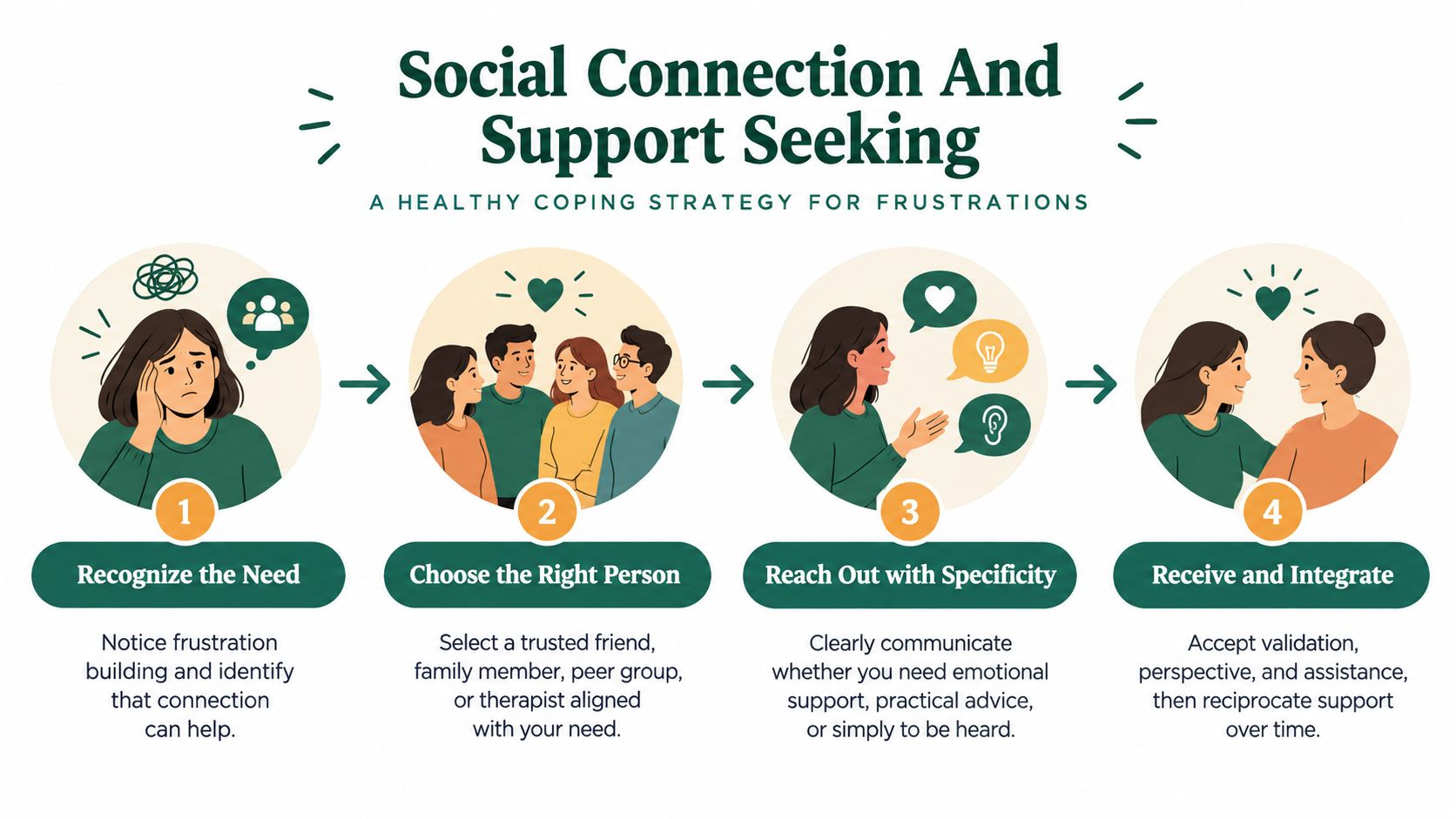
Figure 4. A simple coping flow can help you move from overwhelm toward reflection, support, and action.
Prompts That Reduce Blank-Page Freeze
Start with the facts: What happened?
Name the pressure point: What felt most frustrating about it?
Ask the next question: What do I need, want, or want to say?
Try setting a short timer so journaling doesn't become endless rumination. If you want structure, this guide to journaling for mental health offers useful prompts and approaches.
9. Social Connection And Support Seeking
Frustration gets heavier in isolation.
Talking with the right person can help you feel less alone, less ashamed, and more capable of responding well. That might mean a close friend, a partner, a support group, a mentor, or a therapist. The key is choosing someone who can listen without turning your frustration into more chaos.
A business owner may need a peer who understands the strain of carrying risk. A burned-out clinician may need a colleague who gets the emotional weight of the work. A couple may need support because the same conflict keeps repeating and neither person knows how to interrupt it.
Ask For The Right Kind Of Help
Say what you need: Do you want empathy, perspective, brainstorming, or practical help?
Choose steady people: Not everyone is a safe place to bring tender feelings.
Use professional support when needed: Friends can care about you and still not be enough for this problem.
One important nuance is that frustration isn't always just something to eliminate. Some expert coverage has argued that frustration can act like a useful signal, especially when it shows that a challenge is hard but meaningful. That same coverage also described unhealthy coping at work, including people reporting alcohol or substance use on the job and crying because of work stress, which points to how intense unprocessed frustration can become in some environments (covered here).
10. Self-Compassion And Acceptance
A lot of people suffer twice. First from the frustration itself, then from attacking themselves for having it.
Self-compassion interrupts that second layer. It sounds like, “This is hard right now,” instead of, “What's wrong with me?” It says, “I'm overwhelmed and I need support,” instead of, “I should be able to handle this better.” That shift doesn't remove responsibility. It removes shame, which makes problem-solving easier.
This matters in daily life because frustration often sits inside broader stress, not outside of it. Many adults are juggling finances, health concerns, family tension, work demands, and social strain all at once. When your emotional load is already high, self-criticism usually makes you more reactive, not more effective.
A Compassion Practice You Can Use Quickly
Acknowledge the moment: “This is frustrating.”
Normalize being human: “Other people struggle with this too.”
Offer kindness: “May I respond gently and clearly.”
You don't need to earn compassion by being perfectly calm first.
Acceptance also helps you sort signal from noise. Sometimes frustration means you need rest. Sometimes it means a conversation. Sometimes it means a change. Kindness makes it easier to tell the difference.
15-Strategy Comparison: Managing Frustration
Strategy | Implementation complexity | Resource requirements | Time to effect | Expected outcomes | Ideal use cases | Key advantages |
|---|---|---|---|---|---|---|
Deep Breathing & Progressive Muscle Relaxation | Low, simple techniques but benefits increase with practice | None, can be done anywhere, no equipment | Immediate (2–5 minutes) | Rapid physiological calm (lower heart rate, cortisol) | Acute frustration, public or work settings, pre-task regulation | Fast, discreet, directly reduces arousal |
Time-Out, Environmental Change, Humor & Play | Low, easy to apply but timing/communication matters | Low, brief time, space, optional media or props | Immediate to short-term (minutes to an hour) | Reduced reactivity, perspective shift, tension release | Escalating conflicts, overstimulation, team or family stress | Interrupts escalation, restores capacity, fosters connection |
Physical Movement & Exercise | Medium, requires selecting suitable activities and consistency | Low–moderate, time, space; optional equipment | Short to medium (10–30+ minutes) | Metabolizes stress hormones, improves mood, builds resilience | High-arousal states, chronic stress, energy-driven frustration | Combines physical health benefits with emotional regulation |
Mindfulness & Present‑Moment Awareness | Medium, needs regular practice and guidance for depth | Low, time; apps or teachers optional | Gradual for durable change (weeks); immediate awareness possible | Reduced reactivity, improved self-awareness and attention | Chronic reactivity, rumination, improving listening in relationships | Long-term reduction in automatic responses; integrates into daily life |
Cognitive Reframing & Thought Challenging | Medium, requires metacognitive skills and practice | Low, pen/paper or apps; therapist/coaching helpful | Short to medium (minutes to days with practice) | Reduced negative thinking, less rumination, clearer perspective | Distorted beliefs driving frustration, performance setbacks | Addresses cognitive roots; builds lasting resilience |
Problem‑Solving & Action Planning | Medium–High, structured process and follow-through required | Moderate, time, information, possible external help | Medium to long (hours to weeks) | Resolution of solvable issues, increased agency and confidence | External, practical problems (workflows, finances, logistics) | Tackles root causes and produces tangible change |
Assertive Communication & Boundary Setting | Medium, skill development and rehearsal needed | Low, time for conversations; coaching optional | Short to medium (conversations often yield quick effects) | Clearer expectations, reduced resentment, healthier relationships | Chronic relational frustrations, workload overload, people‑pleasing | Prevents accumulation of frustration; clarifies needs |
Creative Expression & Journaling | Low, accessible; prompts may help overcome inertia | Low, paper, art supplies, or digital tools; privacy helpful | Immediate emotional release; insight grows over time | Externalized emotions, greater clarity, creative problem‑solving | Processing complex emotions, trauma, reflective practice | Safe outlet, enhances insight, flexible modalities |
Social Connection & Support Seeking | Low–Medium, depends on availability and trust | Moderate, time, access to people or professionals | Short (validation) to long (ongoing support benefits) | Reduced isolation, perspective, practical assistance | Isolation, sustained stress, need for feedback or resources | Validation, practical help, strengthened belonging |
Self‑Compassion & Acceptance | Medium, requires habit change and reframing self-talk | Low, time; guided exercises or therapy can help | Gradual (practice-dependent); immediate soothing possible | Reduced shame, faster recovery, increased emotional resilience | Perfectionism, secondary self-criticism, burnout recovery | Lowers self-directed suffering while enabling constructive action |
Build Your Personal Frustration Plan
The most useful approach to dealing with frustrations is usually a sequence, not a single trick. Start with your body. Pause, breathe, unclench, move, or take a brief time-out. If you skip that step when activation is high, even a good insight may not land. Regulation comes first because it gives you access to choice.
Next, name the trigger. Was this frustration about overload, disappointment, feeling dismissed, too much noise, unclear expectations, or an old wound getting touched? A specific answer helps you choose the right tool. If your mind is spiraling, use reframing. If you're turning on yourself, use self-compassion. If your frustration points to a limit, need, or repeated relational pattern, communicate clearly. If there's a practical problem, take one concrete step.
A simple personal plan can look like this:
Pause and regulate: Breathe, relax your muscles, move, or step away briefly.
Name the kind of frustration: Body activation, looping thoughts, unmet needs, solvable problem, or deeper pattern.
Choose one response: Reframe, self-soothe, set a boundary, ask for help, or make a plan.
Reconnect if needed: Return to the conversation, repair, or reach out for support.
If frustration keeps coming back in the same situations, pay attention. Persistent frustration can point to burnout, anxiety, depression, trauma, grief, sensory overload, relationship strain, or a life structure that isn't working. It's worth getting more support when frustration starts damaging relationships, interfering with work, disrupting sleep, affecting decision-making, or making you feel unlike yourself.
Professional help can also be the right next step if your reactions feel bigger than the current event, if you shut down or explode during conflict, or if you know the issue isn't just today's inconvenience. Therapy can help connect the dots between immediate triggers and deeper patterns so you're not starting from zero every time something hard happens.
For readers who want individualized support, Be Your Best Self & Thrive Counseling may be one relevant option. The practice offers trauma-informed counseling for concerns that can overlap with ongoing frustration, including anxiety, depression, stress, trauma, burnout, and relationship conflict, and it offers a free initial consultation. That kind of support can be especially helpful when self-help tools give you partial relief but the pattern keeps returning.
Progress doesn't mean you never feel frustrated again. It means you notice it sooner, understand it better, and respond with more choice.
Be Your Best Self & Thrive Counseling, PLLC offers individual and couples counseling for stress, anxiety, burnout, trauma, and recurring conflict patterns that often show up as daily frustration. If you want help building tools that fit your nervous system, relationships, and real life, visit Be Your Best Self & Thrive Counseling, PLLC to learn more or book a free initial consultation.