
Counseling for Empaths: A Practical Guide to Healing
You've been holding a lot more than other people can see. Maybe you leave a conversation replaying every expression, every pause, every hint of tension, then wonder why your body feels tired when nothing “big” even happened. If that sounds familiar, counseling for empaths can give you more than advice, it can give you a place to sort out what's yours, what isn't, and what your sensitivity is asking for.
A lot of people who search for help in this area have already tried the usual tips. They've read about boundaries, they've tried journaling, they've bought the candles, and they still feel flooded in crowded rooms, drained after helping friends, or stuck in relationships where they absorb everyone else's mood and lose track of their own. That's where therapy becomes different from generic self-care, because it doesn't just tell you to cope, it helps you figure out what's driving the overload in the first place. If you want a starting point for calming the body between sessions, a practical companion piece is this guide to regulating your nervous system.
When Feeling Everything Becomes Too Much
You walk into a coffee shop and, before you even order, you've already noticed the barista's sharp tone, the tense couple near the window, and your friend's quiet anxiety that they have not said out loud. By the time you sit down, you feel used up, even though nothing in your own life has technically gone wrong. That gap is what many sensitive people struggle to explain, because the overwhelm feels real while other people may call it overthinking.
Why this deserves more than self-help advice
For some people, sensitivity is a stable part of temperament. They notice shifts in tone, body language, and atmosphere quickly, and they process those cues thoroughly. In counseling, that can sound like a client saying, “I cannot shut it off,” or, “I feel everyone else's stress in my chest before I even know what they are upset about.”
Therapy gives that experience a structure. Instead of being told to “just set boundaries,” a clinician helps you sort out patterns, triggers, and the situations where your system gets overloaded fastest. That matters because the goal is not to make you less caring. It is to help you stay connected without getting emotionally swamped.
A good therapy relationship also changes how safe the work feels. A NIH review reports that therapist differences account for a meaningful share of variation in several client outcomes, and it notes that higher-empathy counselors tend to do better while low-empathy or confrontational approaches are linked to more dropout and relapse. In plain language, who you talk to changes the experience, not just the content of the sessions.
If you have been trying to muscle through sensitivity alone, the more useful move is often to ask for therapy that treats your sensitivity as real information, not a flaw. For readers who want a related overview of calming the body between sessions, see grounding techniques that help sensitive people steady themselves.
What Empaths and Highly Sensitive People Actually Experience
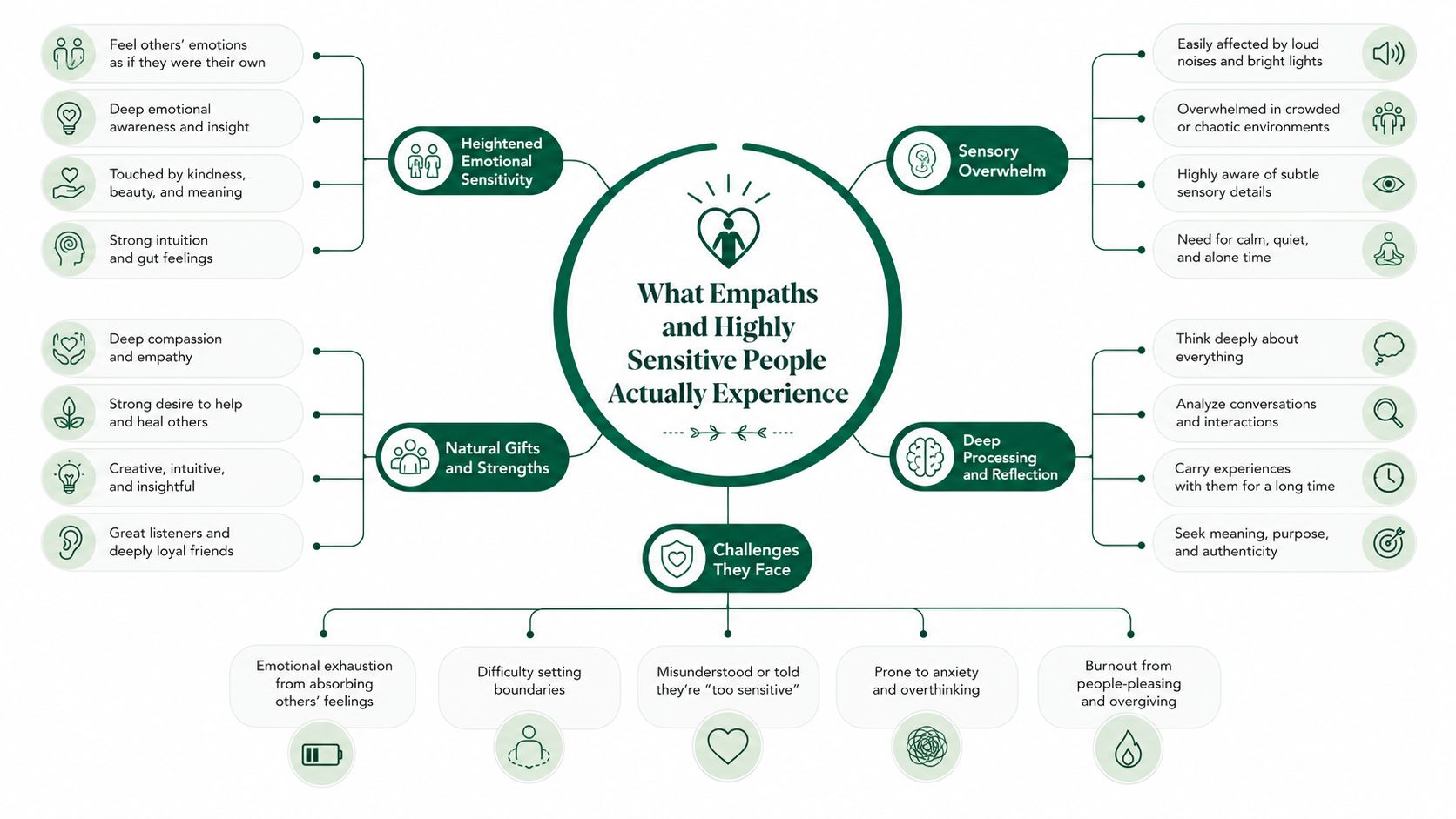
The term “empath” gets used loosely, but in counseling, it's often a practical shorthand for high sensory processing sensitivity. A widely cited estimate places about 15%–20% of people in that highly sensitive range, and another science review describes a cluster where roughly 20%–30% score high, 40%–50% score in the middle, and 20%–30% score low (highly sensitive person treatment options). That doesn't make sensitivity rare, and it doesn't make it universal either. It means there's a real group of people whose nervous systems process the world more intensely.
The features clinicians listen for
Sensitive clients often describe deep processing, strong emotional reactions, quick overstimulation, and a high awareness of subtle cues. They may also notice that they need more downtime after busy environments, emotionally loaded conversations, or conflict. None of that is automatically a problem. It becomes a problem when the person's life starts shrinking to avoid overload.
A useful therapy conversation sounds plain, not mystical. One client might say, “I feel other people's emotions like they're mine,” and the therapist might answer, “Tell me when that happens most, and what your body does right before it spikes.” That turns a vague identity statement into usable clinical information.
“I don't think I'm fragile. I think I'm overloaded.”That's often closer to the truth than many clients realize.
If you're preparing for an intake call, say what happens in ordinary language. Mention crowded rooms, conflict, family pressure, or how long it takes you to recover after social time. The more concrete your examples, the easier it is for a counselor to tell whether they're seeing a sensitivity pattern, stress overload, or something else that needs a different approach.
For readers who want a deeper look at the language many sensitive people use to describe themselves, this overview of empaths and healers can help you compare your experience with common therapy terms.
The Four Challenges Empaths Bring to Counseling
The first challenge is chronic overwhelm. Clients often arrive saying they feel “full” after ordinary interactions, not because one dramatic event happened, but because too many small interactions piled up. In session, that can sound like sleeping poorly after social plans, dreading busy stores, or needing a long recovery window after work.
How these concerns show up in real life
The second challenge is people-pleasing and over-responsibility. A sensitive client may feel responsible for smoothing tension, anticipating everyone's needs, or preventing disappointment before it starts. A therapist usually hears this as, “I don't know how to say no without feeling guilty,” or, “I end up managing everyone else's mood.”
The third challenge is burnout and compassion fatigue. This is common in caregivers, helpers, and the people friends turn to when things fall apart. They can still care, but the giving starts to feel heavy and resentful because there's no space left to refill.
The fourth challenge is relationship strain. Some clients feel everything and their partner seems to feel nothing, which creates a painful mismatch. They may say, “I'm always the one noticing what's off,” or, “I'm exhausted from carrying the emotional conversation.” That doesn't mean the other person is bad. It does mean the relationship may need new communication habits, clearer boundaries, or a different pacing of repair.
A therapist listens for these patterns because they point to different treatment targets. One person may need support with boundaries. Another may need help naming resentment before it turns into shutdown. Another may need to stop acting like the household's emotional dispatcher.
If you've ever wondered why counseling asks about energy, recovery time, and conflict loops, this is why. Those details tell the clinician whether the work is mainly about skills, stress management, relationship repair, or something deeper.
Sensitivity as a Trait or a Symptom
Not all sensitivity comes from temperament. Some people are sensitive because that's how they're wired, while others feel intensely because their system has been shaped by trauma, attachment injury, anxiety, or depression. That distinction matters because the treatment plan changes when sensitivity is a trait versus when it's a sign that something hurt and never fully healed.
Questions that help separate the two
A useful first question is whether the sensitivity has been there “for as long as I can remember” or whether it appeared after a painful relationship, loss, or period of chronic stress. Another is whether the reactions are broad or specific. Trait sensitivity usually shows up across many settings, while trauma-related hypervigilance often spikes around certain people, places, or kinds of conflict.
Red flags point toward more than personality style. Sudden changes in sleep, panic around reminders, feeling constantly on guard, or emotional surges tied to one person can suggest that trauma or anxiety is driving part of the picture. If a client says, “I only feel this way around my father, my ex, or my boss,” that's clinically different from “I'm sensitive in every room I enter.”
A good intake question is simple, “What are you reacting to, and what did this used to protect you from?”
That's where counselor assessment matters. If the problem is mainly high sensitivity, the work may focus on pacing, boundaries, emotional labeling, and nervous-system skills. If trauma or a mood/anxiety disorder is in the mix, standard evidence-based care may need to lead, with sensitivity-aware adjustments layered in. If you want a therapist who understands that difference, start by asking how they approach trauma and whether they know how to work with highly sensitive clients. A useful place to compare that framing is trauma-informed therapist guidance.
Therapy Approaches That Work for Empaths
There isn't one branded “empath therapy.” Good care usually pulls from several approaches and matches them to what's happening. A client whose thoughts spiral after absorbing other people's moods may need cognitive tools. A client whose body stays activated after conflict may need somatic work and regulation skills. A client whose history includes trauma needs safety and pacing, not just insight.

What different modalities actually do
CBT helps a client notice the thought that says, “If I disappoint someone, I'm selfish,” and test whether that thought is accurate or familiar. DBT-style skills are often useful for emotional regulation, distress tolerance, and boundary behavior when feelings come in fast and hard.
Somatic and nervous-system regulation work focuses on the body's cues, breathing, grounding, posture, movement, and the return to safety after activation. That's often the missing piece for people who know the right words but still feel flooded. For a fuller explanation of that kind of work, see what somatic therapy is.
Trauma-informed care changes the pace. The therapist pays attention to safety, consent, and whether digging deeper would help or overwhelm the client. That's especially important for sensitive people who have a history of feeling misunderstood, blamed, or emotionally overexposed in prior treatment.
Some practices also build this kind of care into the whole experience. Be Your Best Self & Thrive Counseling, PLLC offers counseling that includes anxiety, depression, trauma, stress, and highly sensitive or empath traits work, with a mind-body-spirit orientation and a free initial consultation to explore fit. The right modality is less about a label and more about whether the therapist helps you feel steadier, clearer, and more able to function in real life.
Practical Coping Tools Between Sessions
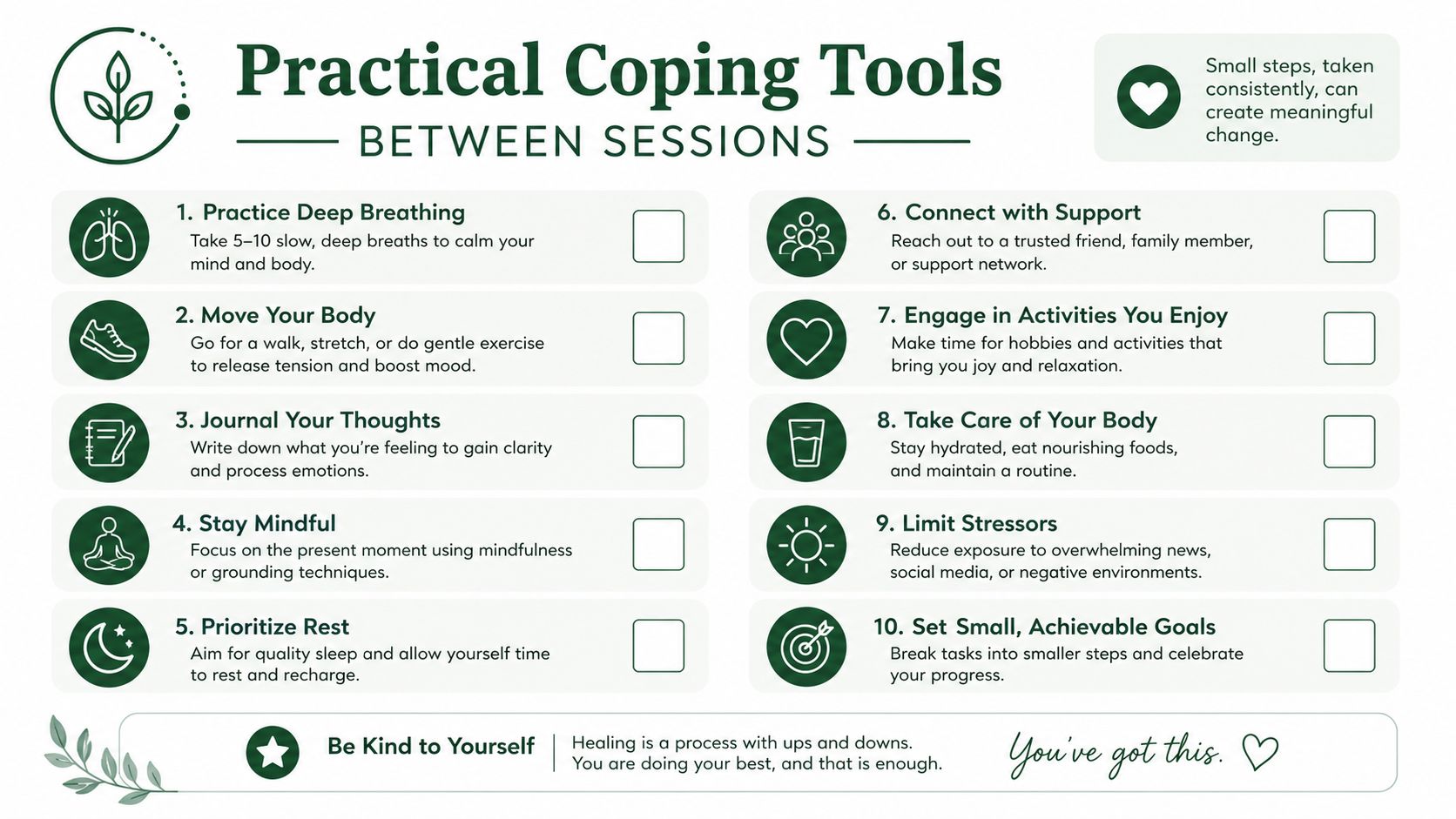
Between appointments, the most useful tools are the ones you'll repeat. A sensitive person usually does not need a dramatic ritual. They need a short sequence they can use before a family dinner, after a hard meeting, or when they can feel themselves getting flooded in a public place.
How different modalities work
The tools that help between sessions depend on what is driving the sensitivity. If a person is a naturally empathic or highly sensitive by temperament, the work often focuses on pacing, limits, and recovery time. If the sensitivity is tied to trauma, anxiety, or attachment wounds, the plan needs more support around safety, grounding, and recognizing old alarm signals when they show up in current life.
Start with the body. Plant both feet, exhale longer than you inhale, and name five things you can see. Then move to language. Try, “This feeling is present, but it may not be mine to carry,” or, “I can care without taking over.” If you want a broader resource for soothing the nervous system, the guide to calming anxiety from Integrative Psychiatry of America can be a helpful companion.
A few boundary scripts can reduce guilt before it starts.
For time limits: “I can stay for one hour, then I need to head out.”
For emotional overload: “I want to hear you, and I'm not in a place to problem-solve tonight.”
For space: “I care about this, and I need a little time to think before I respond.”
These phrases help because they separate care from overfunctioning. Many empaths feel responsible for everyone's feelings, as if their job is to hold the room together. In practice, a boundary is more like a door with a handle on your side. You can open it with intention, and you can close it before you are emptied out.
Common questions people ask themselves
Why do I feel worse after helping someone? Because your empathy may be strong, but your recovery window may be too short. You may need decompression before you check messages, answer follow-up questions, or move into the next task.
How do I recover from an empathy hangover? Slow the input down. Less talking, less scrolling, more water, more quiet, and fewer decisions for a while.
If grounding feels abstract, a short primer on grounding techniques can make the practice easier to use in real time. Grounding is not about shutting feelings off. It helps you stay open without getting pulled under.
How to Find the Right Therapist for You
For highly sensitive people, fit matters more than many realize. Since the therapeutic relationship itself can influence outcomes, you want someone who can work with sensitivity without treating it like a flaw or a personality quirk to fix. That starts with the consultation call, because you're allowed to interview the therapist before you trust them with your story.
What to ask before you begin
Ask directly about experience with sensitive clients, trauma, and emotional overwhelm. Ask how they measure progress, because vague reassurance isn't enough if you've spent years feeling dismissed. Ask what they do when a client gets flooded in session, and whether they adapt the pace instead of pushing harder.
A few solid questions are:
How do you work with clients who are highly sensitive or easily overstimulated?
What's your approach if sensitivity is connected to trauma or attachment wounds?
How do you know therapy is helping, especially when progress feels subtle?
What happens if I feel overwhelmed during session?
For people who move often or live abroad, a practical guide like finding a therapist abroad in Italy shows how fit questions still matter across locations and systems. The setting may change, but the basics don't. You still want someone who listens carefully, explains their method clearly, and doesn't rush the trust-building process.
If a therapist talks over you, dismisses your sensitivity, or acts annoyed by your questions, that's useful information. Sensitive clients often notice misattunement fast, and that instinct is worth trusting. A good consultation should leave you with more clarity, not more self-doubt.
A Realistic Treatment Roadmap and Common Questions
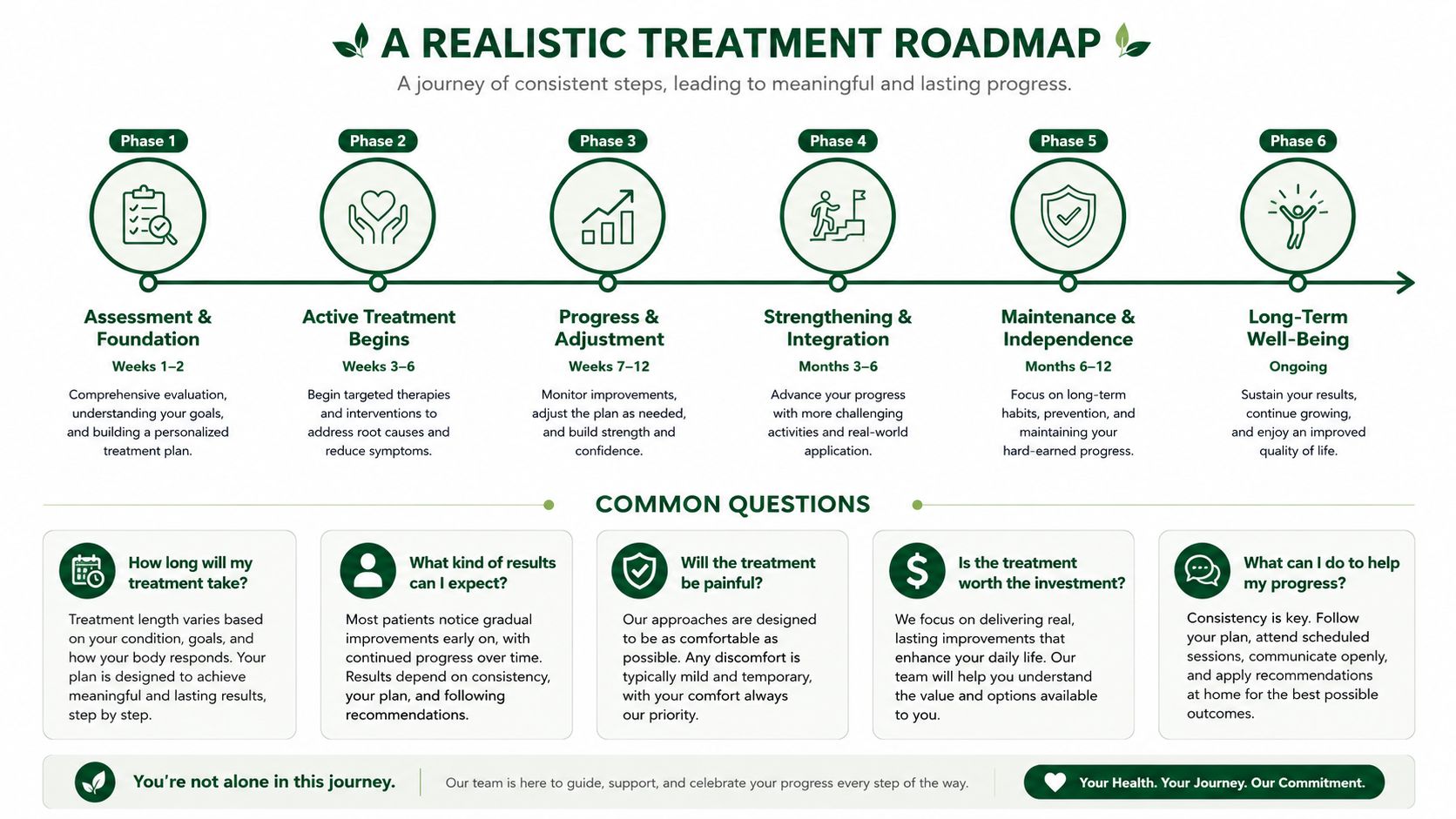
A realistic roadmap usually starts with assessment, not deep diving. The therapist learns what your sensitivity looks like, what drains you fastest, and whether trauma, anxiety, depression, or relationship stress also belong in the picture. After that, many clients spend time on skills, because steadier breathing, clearer boundaries, and better recovery habits make everything else easier.
What the process often feels like
If deeper trauma work is needed, it usually comes later, after enough safety and trust have been built. That part can feel slower and more emotional, but it shouldn't feel chaotic or shaming. The final phase is maintenance, where you practice what works, notice old patterns sooner, and use therapy less as a rescue line and more as a tune-up.
Progress for sensitive clients often looks quiet at first. You may notice fewer emotional spirals, better recovery after conflict, or the ability to leave a draining situation sooner.
Does online counseling work for empaths? Often, yes. Many sensitive people like the additional control over their environment, because being in a familiar space can reduce overload and make it easier to focus.
How long does therapy usually last? It depends on what's driving the sensitivity. Trait-based overwhelm may respond to skills-focused work, while trauma-related patterns usually take longer because the work has to respect pace and safety.
What if a past therapist made me feel misunderstood? Bring that history into the first conversation. A good counselor won't get defensive, and they'll be able to explain how they keep the process collaborative.
If you're ready for support that takes sensitivity seriously, Be Your Best Self & Thrive Counseling, PLLC offers counseling for anxiety, trauma, stress, and highly sensitive or empath traits with a trauma-informed approach. Reach out for a consultation, ask the fit questions that matter to you, and choose the therapist who helps you feel clearer instead of more confused.